


Dental Care Resources
Explore practical tips, step‑by‑step guides, and quick videos that reinforce healthy habits between visits. See how routine checkups, clear education, and comprehensive in‑office care keep you informed, encourage smart routines, and protect your radiant smile.

Prevention and Wellness
Our prevention and wellness hub offers articles on routine cleanings, fluoride varnish, sealants, and proper dental hygiene. Discover how regular exams help catch early concerns, why thorough brushing and flossing safeguard gum health, and when you should arrange preventive care visits. Each entry features clear images and practical tips to support a resilient, healthy smile.
Specialized Resource Hubs
Prevention and Wellness
Our prevention and wellness section shares articles on cleanings, fluoride treatments, sealants, and proper dental hygiene. Learn how regular dental exams spot early issues, why brushing and flossing protect your teeth and gums, and when to set up preventive visits. Each post comes with clear visuals and simple actions to help you protect your smile.

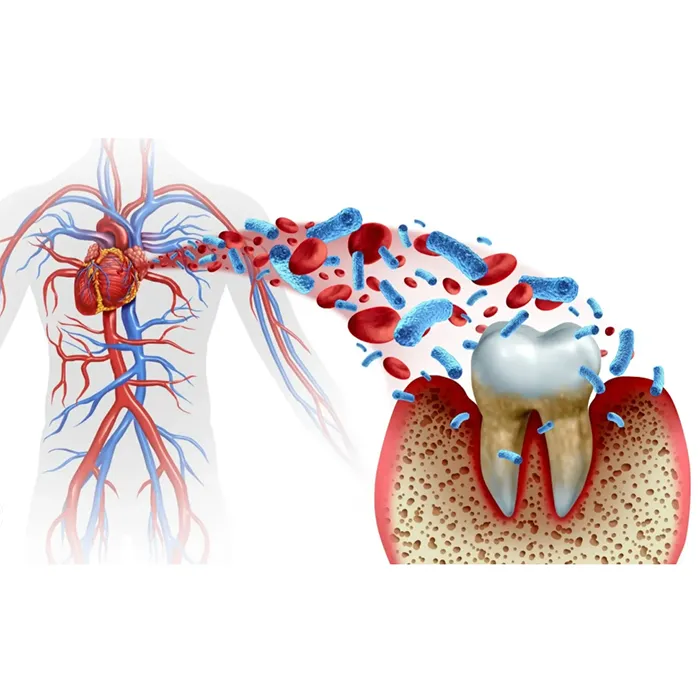
The link between dental health and cardiovascular health
When oral hygiene is poor, bacteria can build up along the gums and teeth, leading to gum disease (periodontitis). In this condition, the gums become inflamed and may bleed, allowing bacteria to enter the bloodstream. Once in circulation, these bacteria can contribute to inflammation in blood vessels and may play a role in the formation of plaque that narrows or hardens the arteries (atherosclerosis).
Chronic inflammation is a key risk factor for cardiovascular disease. Gum disease increases overall inflammation in the body, which has been linked to higher risks of heart attack, stroke, and other cardiovascular problems. Some studies have also found that people with severe gum disease are more likely to have heart disease than those with healthy gums.
While poor dental health does not directly cause heart disease, maintaining good oral hygiene—such as regular brushing, flossing, and dental checkups—can reduce inflammation and lower one of the risk factors associated with cardiovascular disease. In short, a healthy mouth supports a healthier heart.
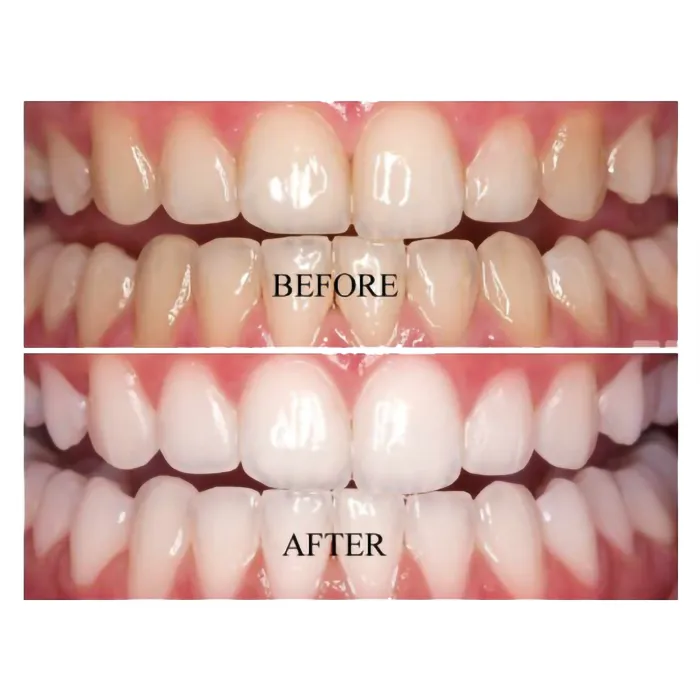
How to achieve the best Whitening results!
Before whitening, make sure your teeth and gums are healthy. Cavities, gum disease, or worn enamel can cause pain or uneven results if you whiten first. A professional cleaning also removes surface stains, which helps whitening work better. During whitening (and for at least 48 hours after), avoid:
- Coffee and tea
- Red wine
- Dark sodas
- Berries and tomato sauces
Think “white diet” — foods like yogurt, rice, chicken, eggs, and bananas.

Our Promise to Our Patients
Your care includes honest explanations, caring support, and personalized attention. We listen closely and match each treatment to your goals, with a focus on comfort, respect, and lasting oral health.
- Personalized visits designed around your comfort.
- Clear communication and patient education at every step.