


Pediatric Dentistry
Pediatric oral care has two main components: preventative care at the dentist’s office and preventative care at home. The goal of preventative oral care is to evaluate and preserve the health of the child’s teeth while establishing excellent homecare habits that can last a lifetime.
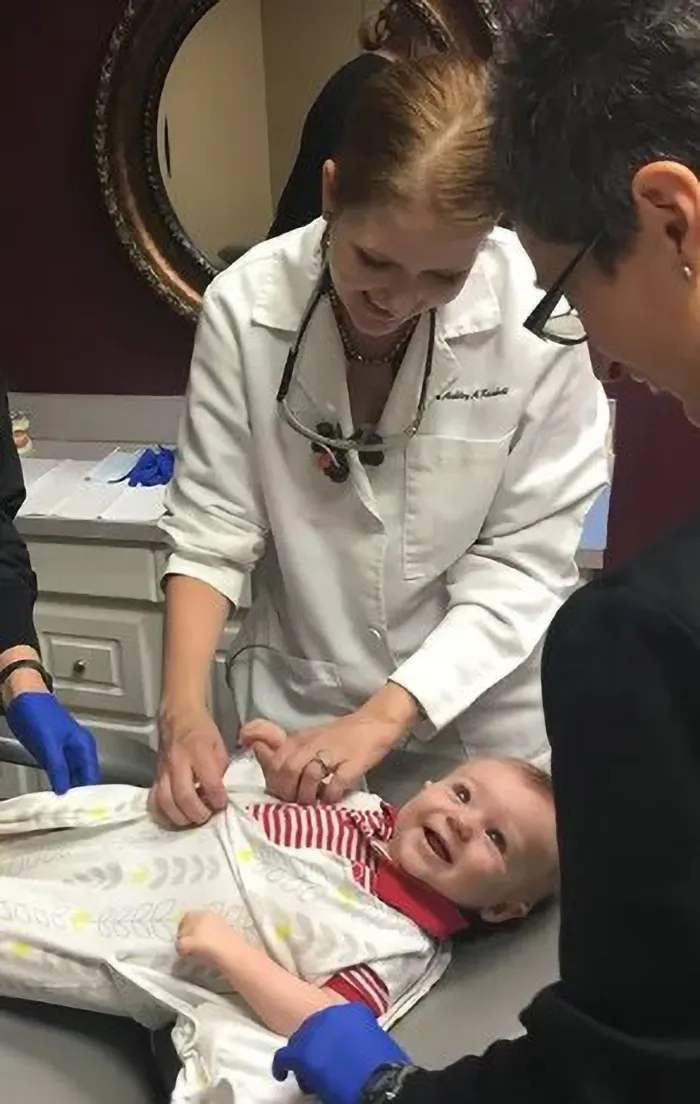
Eruption Of Your Child's Teeth
The eruption of primary teeth (also known as deciduous or baby teeth) follows a similar developmental timeline for most children. A full set of primary teeth begins to grow beneath the gums during the fourth month of pregnancy. For this reason, a nourishing prenatal diet is of paramount importance to the infant’s teeth, gums, and bones.
Generally, the first primary tooth breaks through the gums between the ages of six months and one year. By the age of three years old most children have a “full” set of twenty primary teeth. The American Dental Association (ADA) encourages parents to make a “well-baby” appointment with a dentist approximately six months after the first tooth emerges. Dentists communicate with parents and children about prevention strategies, emphasizing the importance of a sound daily home care plan.
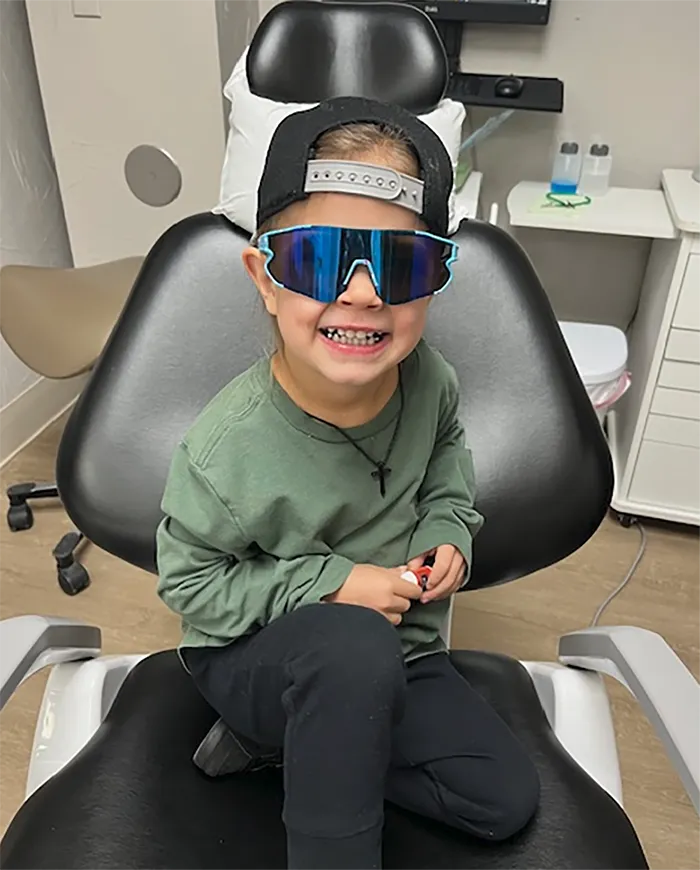
We Love Our Pediatric Patients!
When Does Early Orthodontic Treatment Make Sense?
Some children display early signs of orthodontic problems like crowded baby teeth, crossbites, narrow palates and sleeping issues. In these situations, early orthodontic treatment provides essential benefits to the growing child including:
- Improved Craniofacial jaw growth.
- Increased space for erupting adult teeth.
- Reducing/eliminating bruxing (grinding of teeth).
- Reducing risk of childhood cavities and tooth decay.
- Reduced risk of impacted adult teeth.
- Reduced risk of complicated orthodontics in later years.
- Reduced risk of speech problems.
- Improved sleep and complete sleep cycles.
- Improve nasal breathing.
- Improved posture and swallowing.
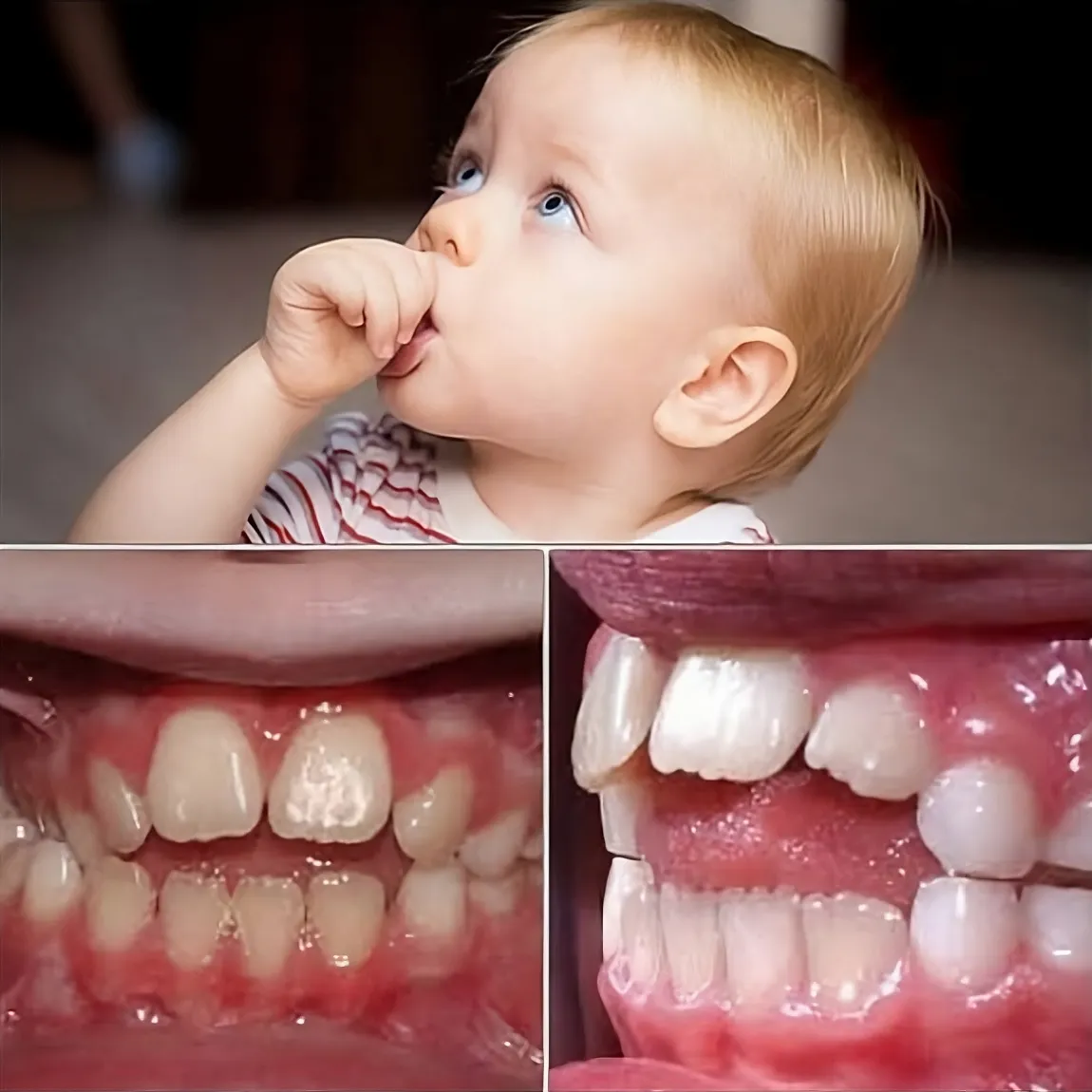
How Can Thumb Sucking And Pacifier Use Damage Children’s Teeth?
Pacifier and thumb sucking damage can be quite insidious. Both can be difficult to assess with the naked eye, and both tend to occur over a prolonged period of time. Below is an overview of some of the risks associated with prolonged thumb sucking and pacifier use:
Jaw misalignment – Pacifiers come in a wide range of shapes and sizes, most of which are completely unnatural for the mouth to hold. Over time, pacifiers and thumbs can guide the developing jaws out of correct alignment.
Narrow Palate – The structures in the mouth are extremely pliable during childhood. Prolonged, repeated exposure to thumb and pacifier sucking actually cause the roof of the mouth to narrow impeding nasal breathing and sleep. Likewise, the child often develops an anterior open bite.
Flared teeth – Growing teeth can be caused to flare or protrude by thumb and pacifier sucking increasing the risk for extensive orthodontic treatments.
First Visit
At the initial visit, the dentist will advise parents to implement a good oral care routine, ask questions about the child’s oral habits, and examine the child’s emerging teeth. Often, the dentist sits knee-to-knee with the parent for this examination to enable the child to view the parent at all times. If the infant’s teeth appear stained, the dentist may clean them. Oftentimes, this visit occurs around the age of one.
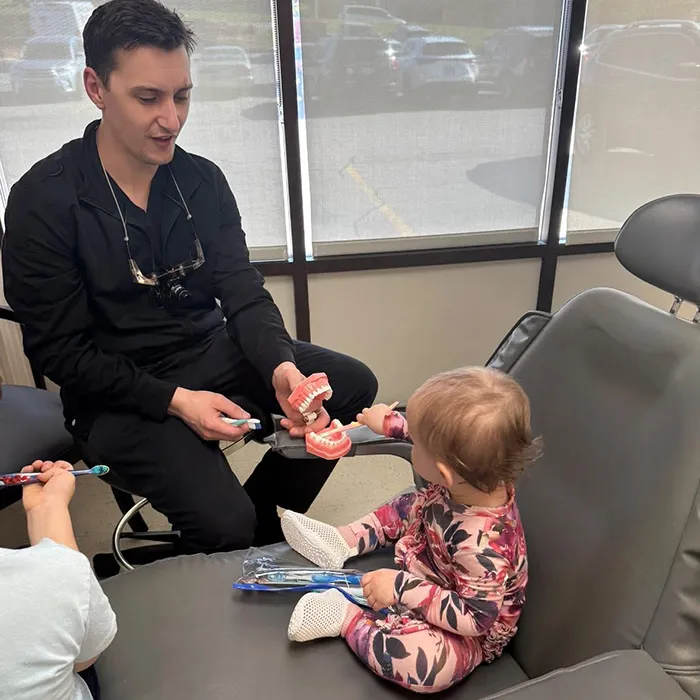
Healthy Teeth For A Healthy Life!
Schedule Your Appointment
Our Promise to Our Patients
We are committed to providing gentle, respectful care to all of our patients—especially our little ones. We believe that positive early dental experiences lay the foundation for a lifetime of healthy smiles.
- Personalized care plans for every child
- Positive coaching on brushing and flossing techniques
- Expertise on early interventions with possible tongue ties or orthodontic needs